

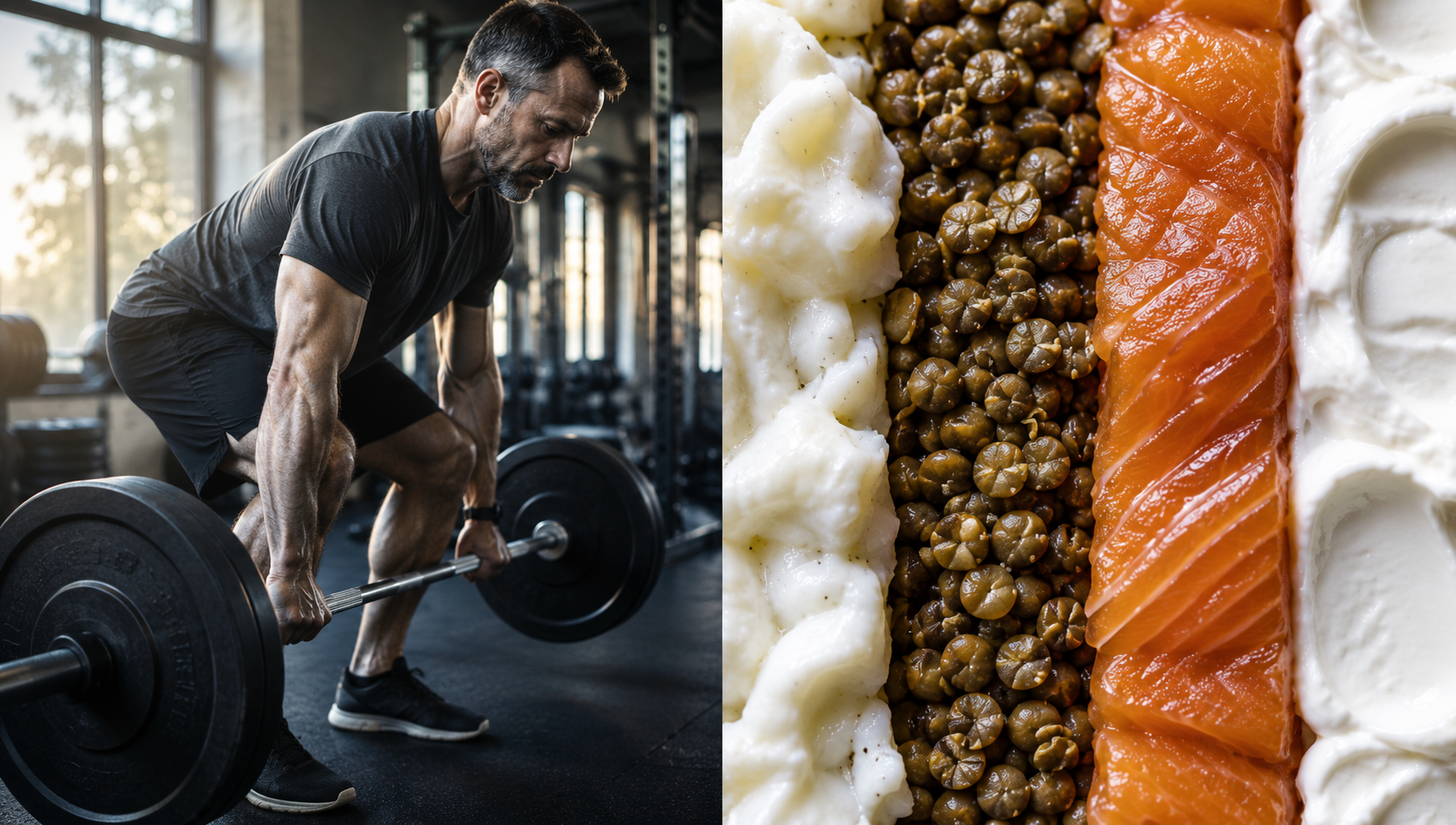
Stop Eating for Muscles You Aren't Building
Beef or lentils, whey or whole foods — the source matters less than you think. So does the quantity.

Everyone wants more from protein — stronger arms, faster recovery, a leaner frame. The supplement aisle promises all of it. But the science paints a more measured picture: extra protein alone, even from premium sources like beef, doesn't automatically translate into greater strength. What you eat matters, but how you train — and how much protein you actually need — may surprise you.
The global protein supplement market is worth over $25 billion and climbing — fuelled by the belief that more protein equals more muscle. This belief is partially true, but only within a well-defined range. When people consume protein far beyond their actual needs, hoping to shortcut their way to strength, they are not just spending money needlessly — they may be increasing their cardiovascular risk and putting strain on their kidneys.
The source of that protein — whether beef, chicken, eggs, lentils, or whey — appears far less important than the total quantity and the presence of consistent resistance training. Understanding this distinction matters for everyone: the weekend gym-goer buying expensive protein powders, the middle-aged adult trying to stay strong, and the older adult at genuine risk of muscle loss.
The Baseline Everyone Needs
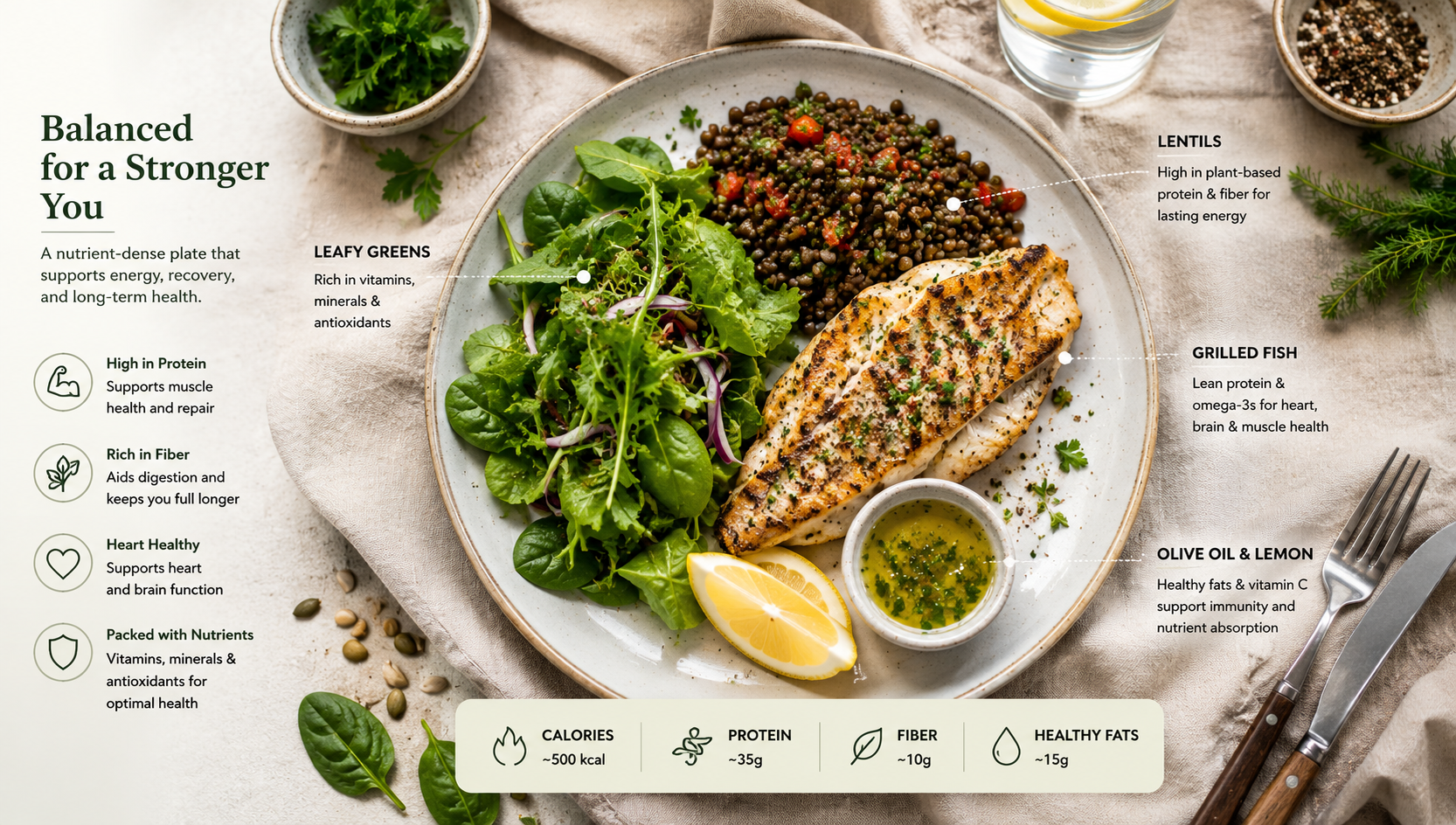
Protein is far more than a muscle-building macronutrient. It forms the structural foundation of enzymes, hormones, skin, blood, and immune cells. The human body cannot store protein the way it banks fat or glycogen — it must receive a daily supply from food. For a sedentary adult, the minimum threshold is 0.8 grams per kilogram of body weight each day. For a 75kg person, that's roughly 60 grams — achievable from a couple of eggs, a cup of lentils, and a piece of fish without a single supplement in sight. The body is built to extract what it needs and discard the rest, typically converting surplus protein to energy or, ultimately, fat.
Does More Protein Mean More Muscle?
Up to a point, yes. A landmark meta-analysis of 49 trials involving nearly 1,900 participants found that increasing protein intake produced meaningful gains in fat-free mass and muscle strength — but only up to roughly 1.6 grams per kilogram of body weight per day. Beyond that threshold, additional protein provided no further measurable benefit to muscle growth. Those who train intensely, carry more muscle mass, or are in a calorie deficit may benefit from reaching as high as 2.2g/kg/day — but even that ceiling is modest compared to what many protein marketing claims imply.
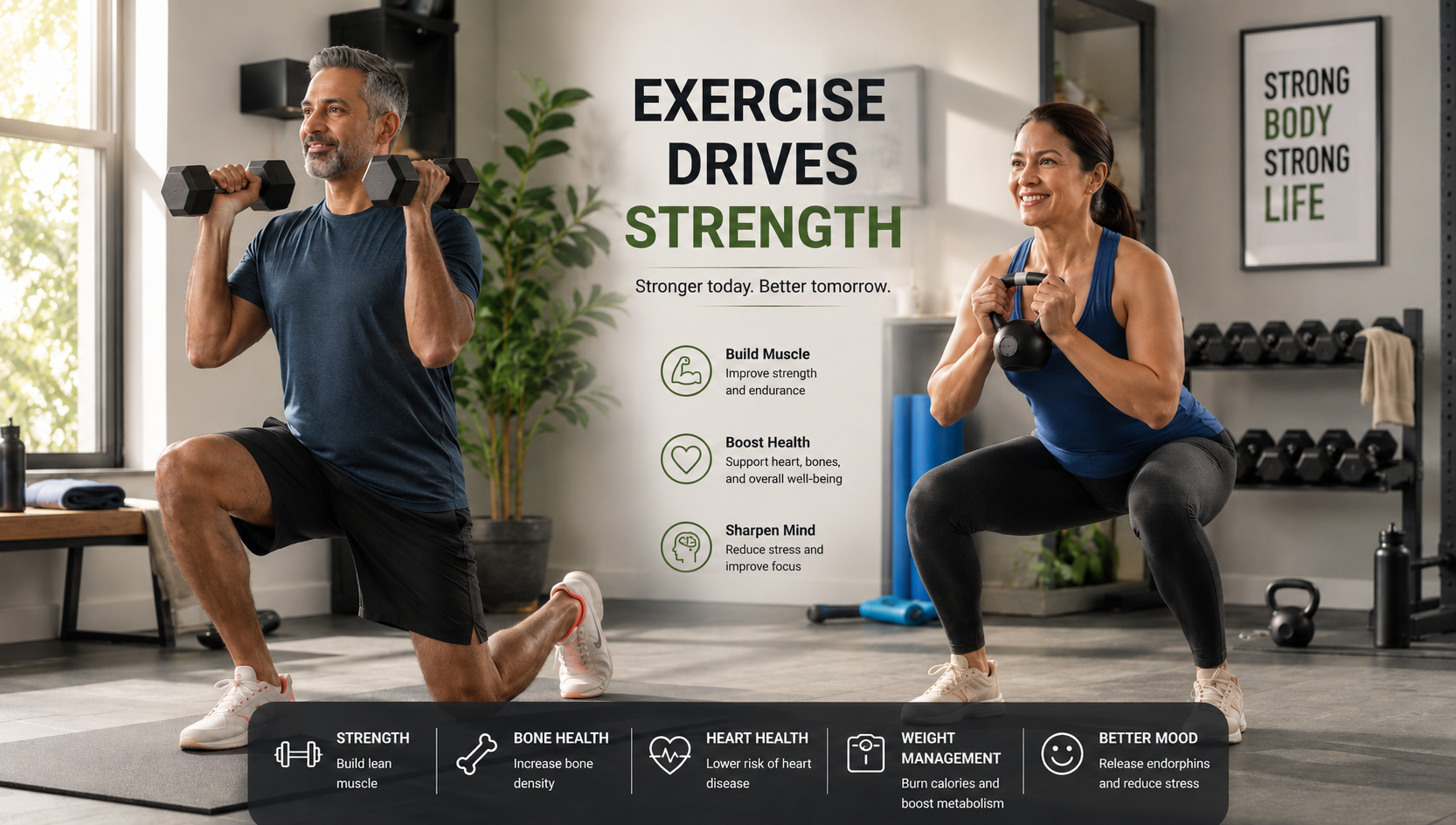
Critically, the research is emphatic on one point: extra protein without resistance training does not build muscle. Muscle growth requires the mechanical stimulus of exercise. Protein provides the raw material, but the construction crew is your workout.
Beef vs. Everything Else
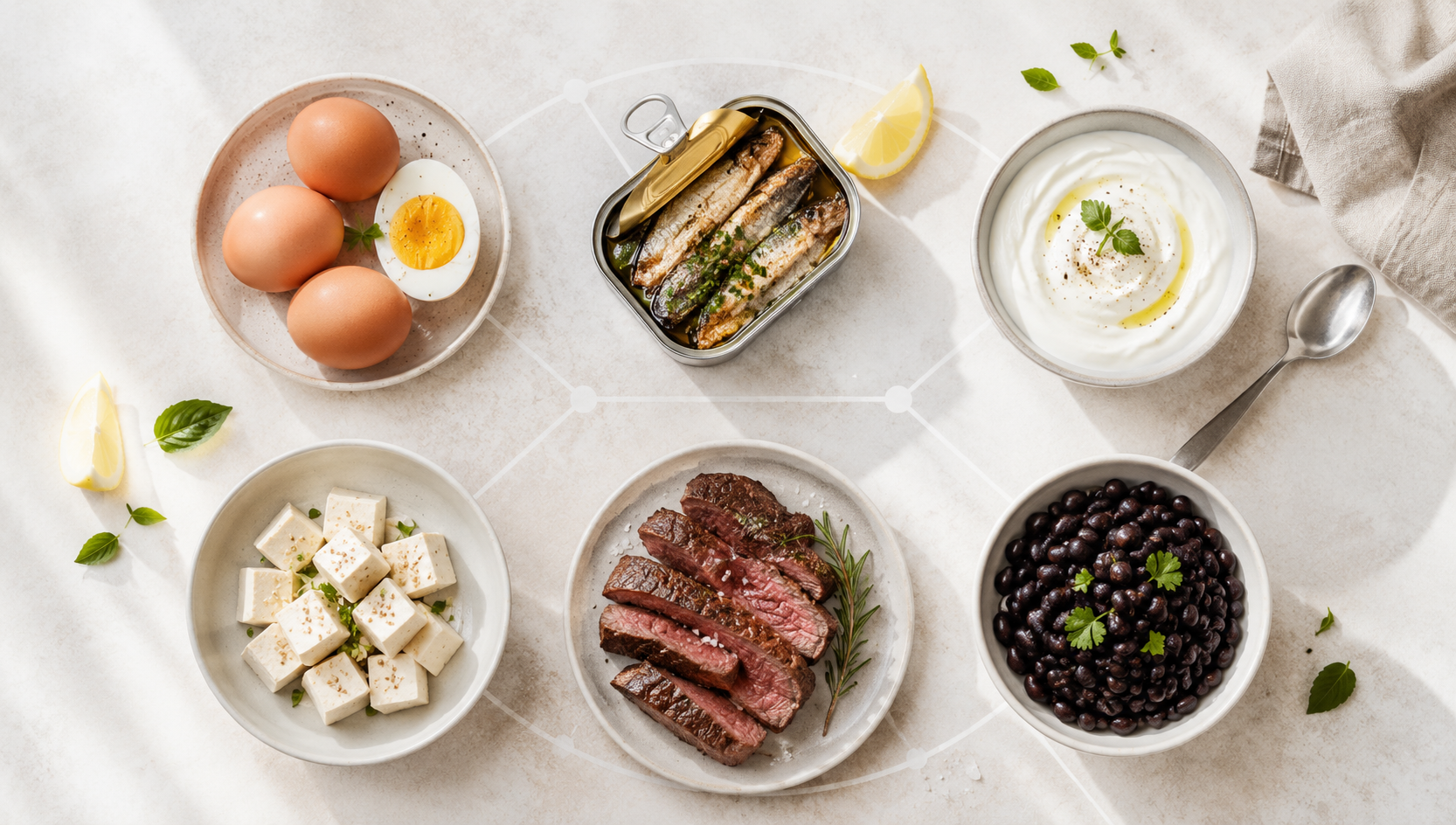
Beef holds a cultural mystique in fitness circles — it's rich in leucine (the amino acid most directly linked to muscle protein synthesis), creatine, zinc, and B12. But research comparing beef to other complete protein sources has consistently failed to show it produces superior muscle-building outcomes. Poultry, fish, dairy, eggs, and well-combined plant proteins all deliver comparable results when total intake is matched. Harvard's Nutrition Source notes that the type of protein matters more for long-term health than for short-term muscle gain: plant-heavy protein patterns are associated with reduced cardiovascular risk, while red meat consumed in excess is linked to increased risk of heart disease and certain cancers. The question of what protein source to eat, then, is less about strength and more about overall health trajectory.
Ageing Changes the Equation
Adults begin to lose muscle mass — a process called sarcopenia — from their late 30s onward, and it accelerates significantly in the 50s and 60s. Mayo Clinic data suggests that once adults reach their 40s to 50s, their baseline protein needs rise to 1.0–1.2g/kg/day even without intense exercise. Regular exercisers in this age group may need up to 1.7g/kg/day to preserve muscle.
Yet a Tufts University analysis found that extra protein from red meat specifically did not help middle-aged adults build greater strength — reinforcing the idea that protein source is a secondary factor. Functional strength in later life depends far more on sustained resistance training and adequate total protein from any quality source than on loading up on a specific animal product.
A systematic review and meta-analysis of 49 studies (n≈1,900) in the British Journal of Sports Medicine found that protein supplementation increased muscle mass and strength during resistance training, with effects plateauing at ~1.62g/kg/day.
The Harvard T.H. Chan School of Public Health's Nutrition Source emphasises that protein source quality affects long-term health outcomes, with plant-forward patterns linked to lower chronic disease risk.
Mayo Clinic notes that protein needs increase with age and exercise intensity (1.2–1.7g/kg for active adults), and that excess protein intake beyond needs is stored as fat, not muscle.
The Victorian Government's Better Health Channel confirms that the human body cannot store protein and must obtain it daily, and that excess protein not used for energy needs is excreted, not retained.
This article is produced for informational purposes only and should not be construed as medical or dietary advice. Nutritional needs vary significantly between individuals based on age, body composition, health status, and activity levels. Always consult a qualified healthcare provider or registered dietitian before making significant changes to your protein intake or supplementation routine.
Research references reflect findings available as of 2024–2025. Nutritional science evolves continuously; readers are encouraged to consult primary sources and peer-reviewed literature for the latest evidence.

Written by
MedBary Staff
Comments
Log in to join the conversation.
Loading comments…