

📰 Curated from BBC News
📖 Read full article→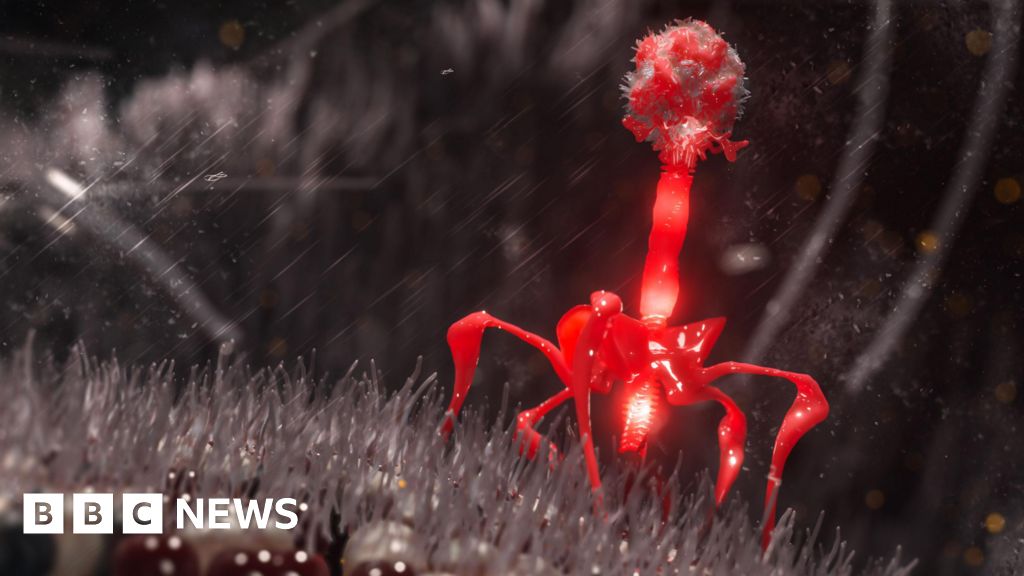
Artificial Intelligence used to design brand new viruses - BBC
Scientists made 16 successful viruses that had their genetic code designed by artificial intelligence.
✨ Key Highlights
-
US researchers at Stanford University have used artificial intelligence to design 16 fully functional, brand-new viruses that can replicate in the laboratory, marking the first time whole genomes have been successfully designed by AI.
-
The novel viruses are bacteriophages engineered to infect specific bacteria — including E. coli — and pose no threat to people, according to the team.
-
The work relied on AI models known as Evo1 and Evo2, which operate like large language models such as ChatGPT but predict genetic sequences rather than text, having been trained on the genetic codes of viruses, bacteria, plants and humans.
-
Researchers synthesised the 302 most promising AI designs in the lab, of which 16 proved effective at killing E. coli; PhD student Samuel King recalled seeing "clear spots" indicating success, prompting the room to "spontaneously burst into applause."
-
Assistant professor Brian Hie described the achievement as "new territory," noting it is the first time generative AI has designed a complete genome capable of replicating and performing functions inside cells.
-
The advance could open new avenues for phage therapy to treat antibiotic-resistant infections, but experts have warned that AI-designed viruses raise "urgent" safety and security concerns as the technology moves into synthetic biology beyond the natural world.