

📰 Curated from BBC News
📖 Read full article→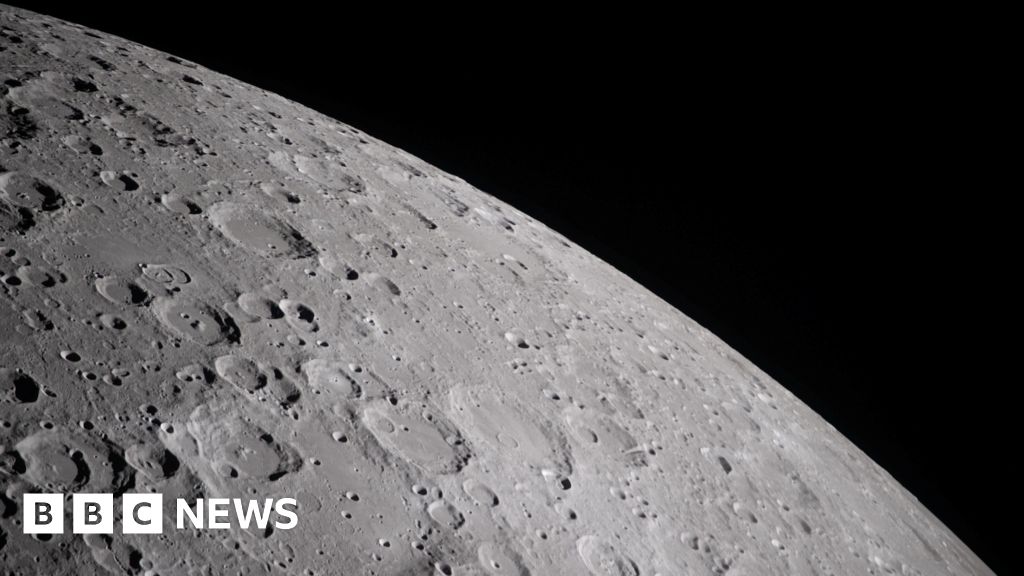
What can scientists learn from a stray SpaceX rocket hitting the Moon? - BBC
Technology and Science8/5/20261 min read
While the collision was an accident, it is a unique scientific gift for planetary geologists that could provide important data for future space missions.
✨ Key Highlights
- A spent upper stage from a SpaceX Falcon 9 rocket is believed to have crashed into the Moon near the Einstein crater on Wednesday at around 07:35 BST, travelling at roughly 5,400mph (8,700km/h).
- The rocket, about the size of a five-storey building and weighing at least 4,000kg, launched from Florida in January last year to send two lunar landers on a path toward the Moon.
- After its mission, the spent stage drifted in a long, looping orbit, and faint pushes from the gravity of the Earth, Moon and Sun—plus sunlight—gradually placed it on a collision course, accelerating over roughly 18 months.
- The impact produced only a brief flash lasting a fraction of a second and a dust plume stretching as far as 100km (62 miles), both extremely difficult to observe, especially as the crash occurred in daylight over that part of the Moon.
- No spacecraft was ideally positioned to capture the moment live, though South Korea's Danuri orbiter passed nearby beforehand, and its team says any footage will be released only after analysis is complete.
- Nasa's Lunar Reconnaissance Orbiter is expected to photograph the site in the coming days, enabling before-and-after comparisons, and planetary geologists view the accidental collision as a valuable research opportunity that could aid future missions.
The Soviet probe Luna 2 was the first, followed over the decades by Nasa's Ranger probes in the 1960s, several Apollo-era rocket stages, and more recently the LCROSS mission in 2009, which was delibe