

📰 Curated from Jalopnik
📖 Read full article→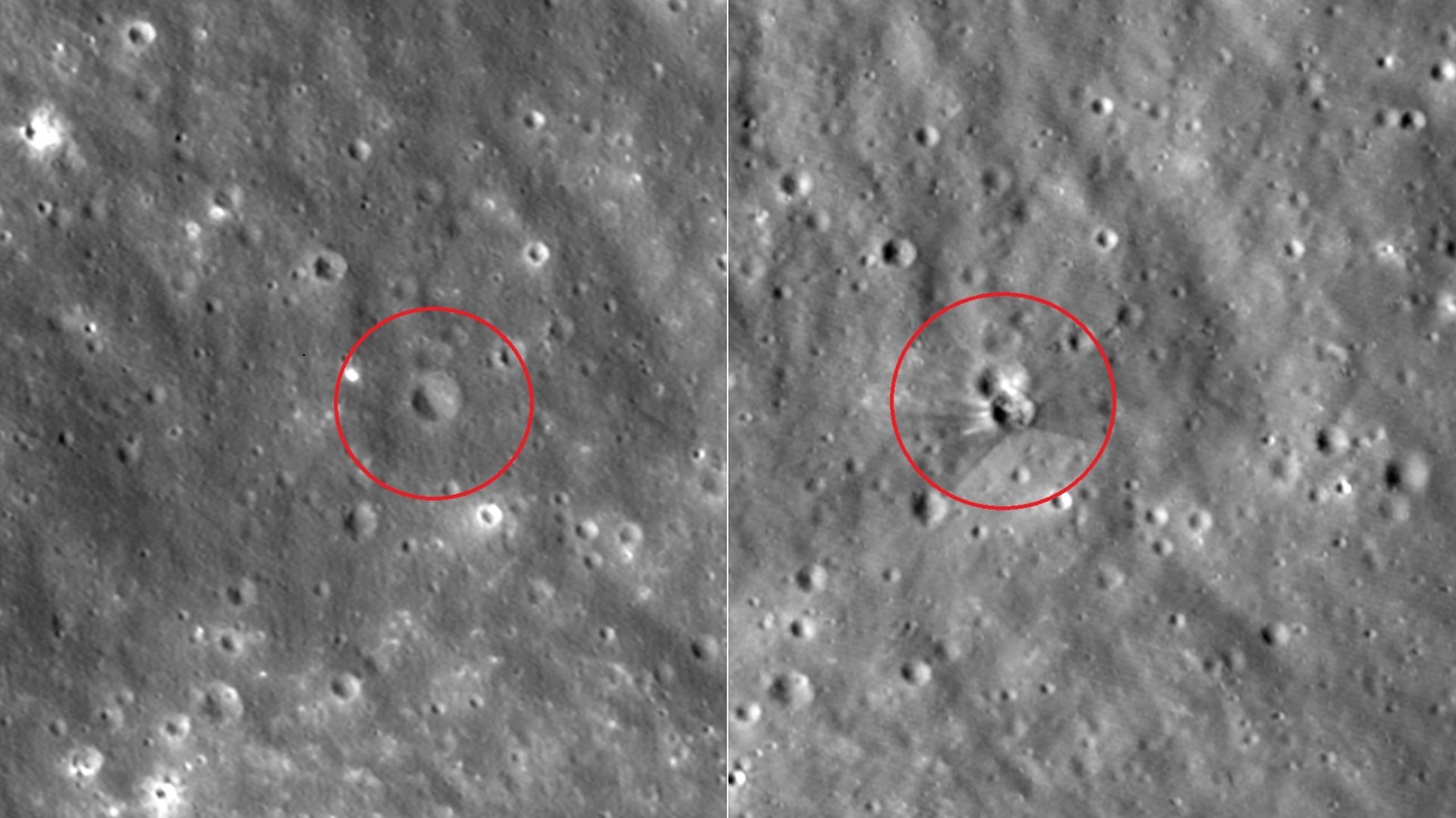
New NASA Pictures Reveal SpaceX Crash's Devastation On The Moon's Magnificent Desolation - Jalopnik
Technology and ScienceBy Nicholas Werner8/21/20261 min read
The more and more rockets humanity launches, the more and more likely we are to litter the lunar surface.
✨ Key Highlights
- NASA has released Lunar Reconnaissance Orbiter images showing a new crater created when the discarded upper stage of a SpaceX Falcon 9 rocket crashed into the Moon at 5,400 mph on August 5.
- The spent stage, left as space junk after last year's commercial lunar lander missions, was pulled in by the Moon's gravity and struck the surface, forming a crater about 60 feet wide and under 10 feet deep that overlaps an existing one.
- The Korea Pathfinder Lunar Orbiter, guided by NASA's Jet Propulsion Laboratory, first located the exact impact site, after which the LRO captured the more detailed follow-up images from 60 miles above the surface.
- The photos show bright and dark streaks radiating from the site; darker streaks are surface soil and rocks weathered by solar radiation, while lighter material was thrown up from deeper below.
- The crash highlights a lack of regulation around spent rocket stages, with the Outer Space Treaty urging states to avoid harmful contamination of celestial bodies but offering no clear definition, enforcement mechanism, or mention of private companies.
- Similar incidents include a Chinese Long March stage that hit the Moon in 2022 and Russia's Luna-25 probe, which crashed during a 2023 attempt to land near the lunar south pole, raising concerns about growing debris as lunar activity intensifies.
The more and more rockets humanity launches, the more and more likely we are to litter the lunar surface. There is very little regulation around what to do with spent rocket stages, so as happened he