

📰 Curated from Science Daily
📖 Read full article→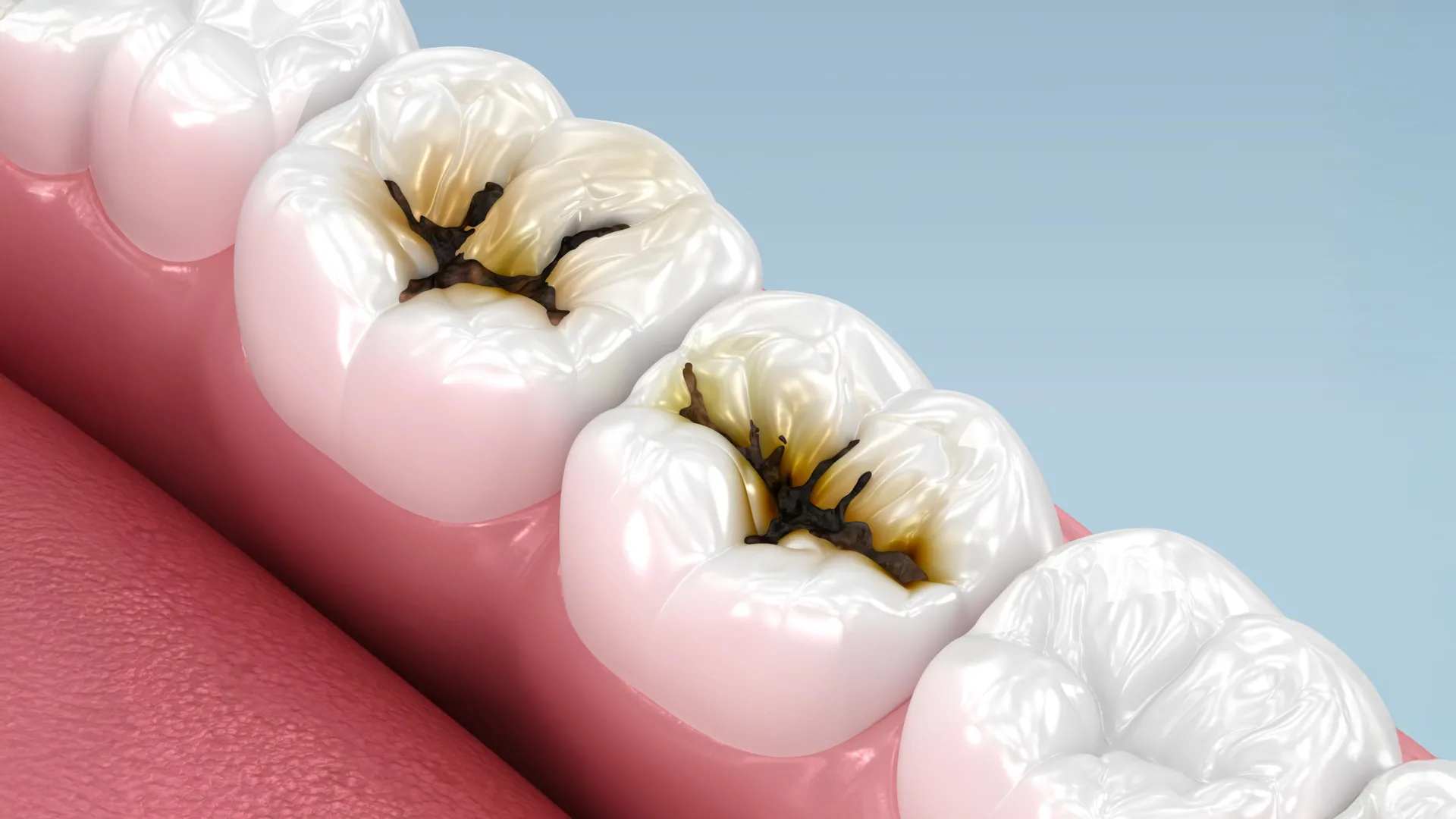
Scientists find a simple way to stop cavities without drilling - ScienceDaily
World7/29/20261 min read
A liquid brushed onto cavities in seconds may spare many young children from pain, infection, and surgery. A major U.S. trial found that silver diamine fluoride stopped decay in more than half of treated baby teeth. The treatment requires no drilling, shots, …
✨ Key Highlights
- A University of Michigan-led Phase III clinical trial found that silver diamine fluoride (SDF) stopped tooth decay in more than half of affected baby teeth when applied every six months, offering a way to treat cavities without drilling, injections, or sedation.
- Published in JAMA Pediatrics, the study included 830 children under age 6, recruited through dental offices, pediatric practices, and Head Start and Early Head Start programs in Michigan, New York, and Iowa.
- The treatment uses 38% SDF, a low-cost liquid applied with a small sponge-tipped applicator in just seconds per tooth, painting it directly onto decayed areas rather than removing tooth material as traditional fillings do.
- Lead investigator Margherita Fontana, a University of Michigan dentistry professor, described SDF as very effective and safe, even for children as young as one, though the treatment permanently darkens the decayed area.
- SDF has been used for decades in many countries and has been applied off-label in the United States since 2014, when it was approved as a medical device for reducing tooth sensitivity; the new trial data support potential FDA approval as a drug for treating decay.
- Tooth decay is the most common chronic childhood disease, affecting more than 40% of U.S. children, and untreated cavities can cause pain, infections, sleeping and eating difficulties, missed school, and emergency department visits that often require surgery under general anesthesia.
Untreated cavities send thousands of young children in the United States to emergency departments each year. Because hospital doctors usually cannot repair the underlying dental problem, some childre