

📰 Curated from Discoverwildlife.com
📖 Read full article→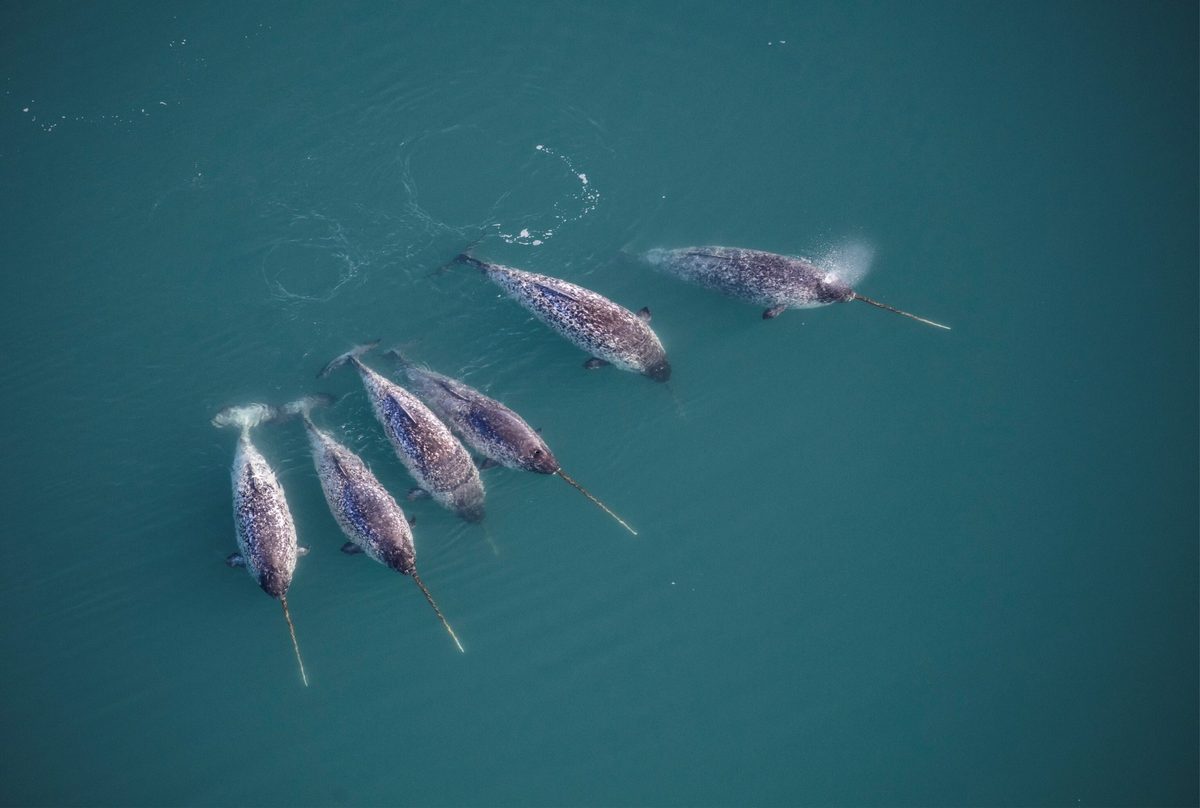
“That puzzled us quite a bit.” Scientists found another astonishing thing about narwhals after X-raying their tusks - BBC Wildlife Magazine
WorldBy Magda Patynska8/30/20261 min read
The narwhal tusk is one of the more unique structures in the animal kingdom.
✨ Key Highlights
- An international research team has determined how narwhal tusks develop their distinctive twisted structure, publishing their findings in the journal Nature Communications.
- Narwhals, dubbed the "unicorns of the sea," historically had their tusks sold as unicorn horns; Danish-Norwegian king Frederik III even commissioned a coronation chair made entirely of narwhal tusks as a symbol of his power.
- The purpose of the tusk remains uncertain, with scientists proposing theories including sexual signalling, hunting, fighting, and play.
- The tusk is unique in the animal kingdom because it protrudes straight out in a spiralled form rather than following a curved shape; typically the left canine tooth in males grows into the tusk, always twisting in a left-handed helix and sometimes exceeding 2 metres in length.
- Unusual cases include females growing tusks, males without them, and even double-tusked individuals; when the right tooth develops instead, it still forms a tusk.
- Made primarily of dentine and covered by a thin layer of cementum, the tusk contains collagen fibres reinforced by tiny mineral crystals, forming a complex composite material whose intricate architecture posed the central challenge for researchers, as co-author Marianne Liebi explained.
An international team of researchers has solved the mystery of how narwhal tusks acquire their twisted structure. The findings have been published in the journal Nature Communications.
Narwhals are