

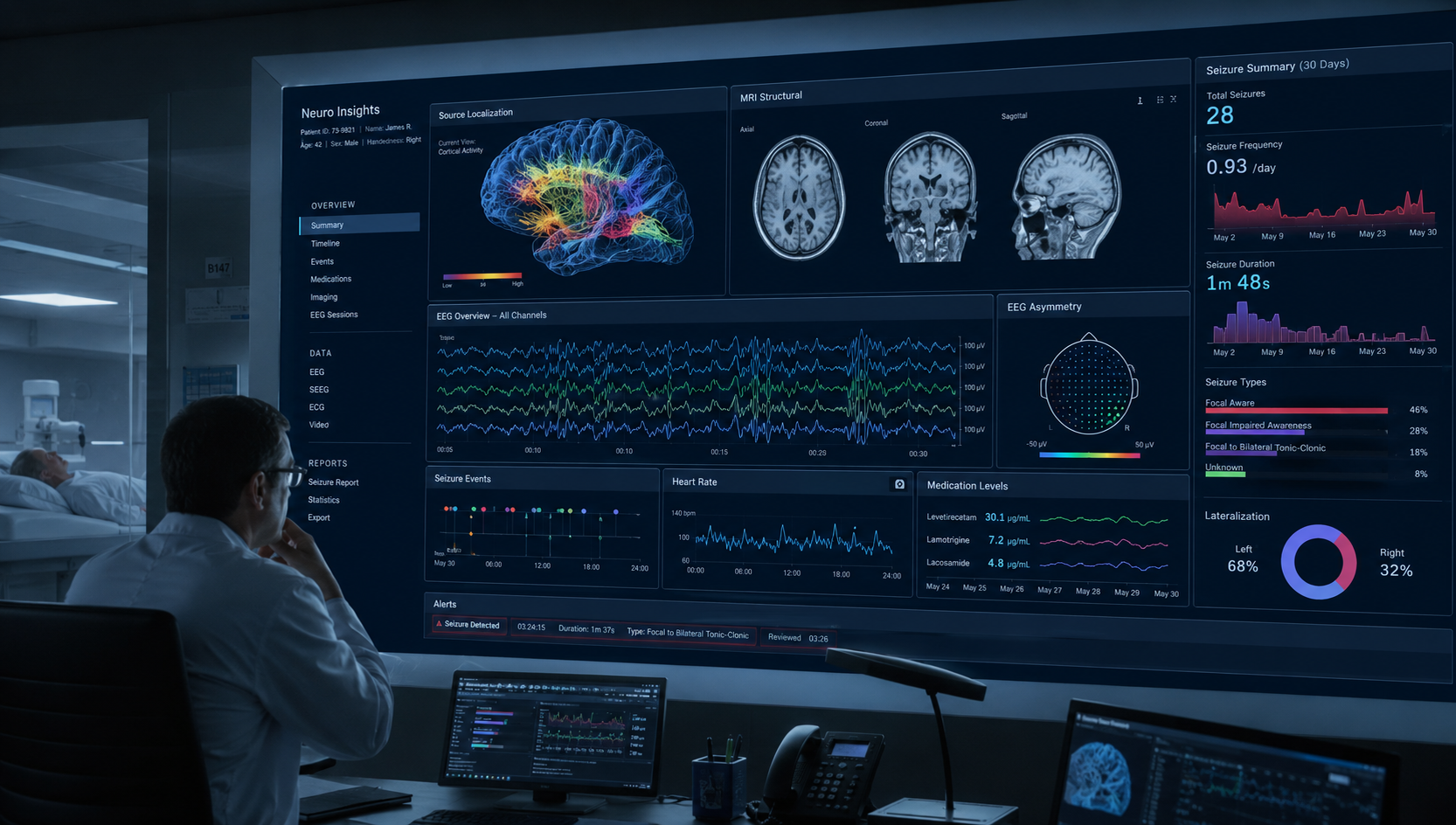
EPILEPSY CARE IS BROKEN. HERE IS HOW TO FIX IT.
The system treating epilepsy hasn't kept up with the science. Patients are paying the price.


EPILEPSY DOESN'T WAIT
— BUT PATIENTS DO
Epilepsy is one of the most prevalent neurological conditions on earth — and one of the most misunderstood. Affecting roughly 65 million people globally and approximately 0.6% of the Australian population alone, it carries a burden that extends far beyond the seizure itself.
Social stigma, employment barriers, care-access inequality, and siloed health systems compound the clinical challenge every single day. In rural and remote regions, specialist networks are even thinner. Cost pressures force patients on low incomes to choose between medication, food, and appointments.
"Treating epilepsy well and treating it cheaply are not competing goals."
Research is now proving that comprehensive, well-resourced epilepsy care does not cost more in the long run — it costs measurably less. The challenge is entirely one of political will.
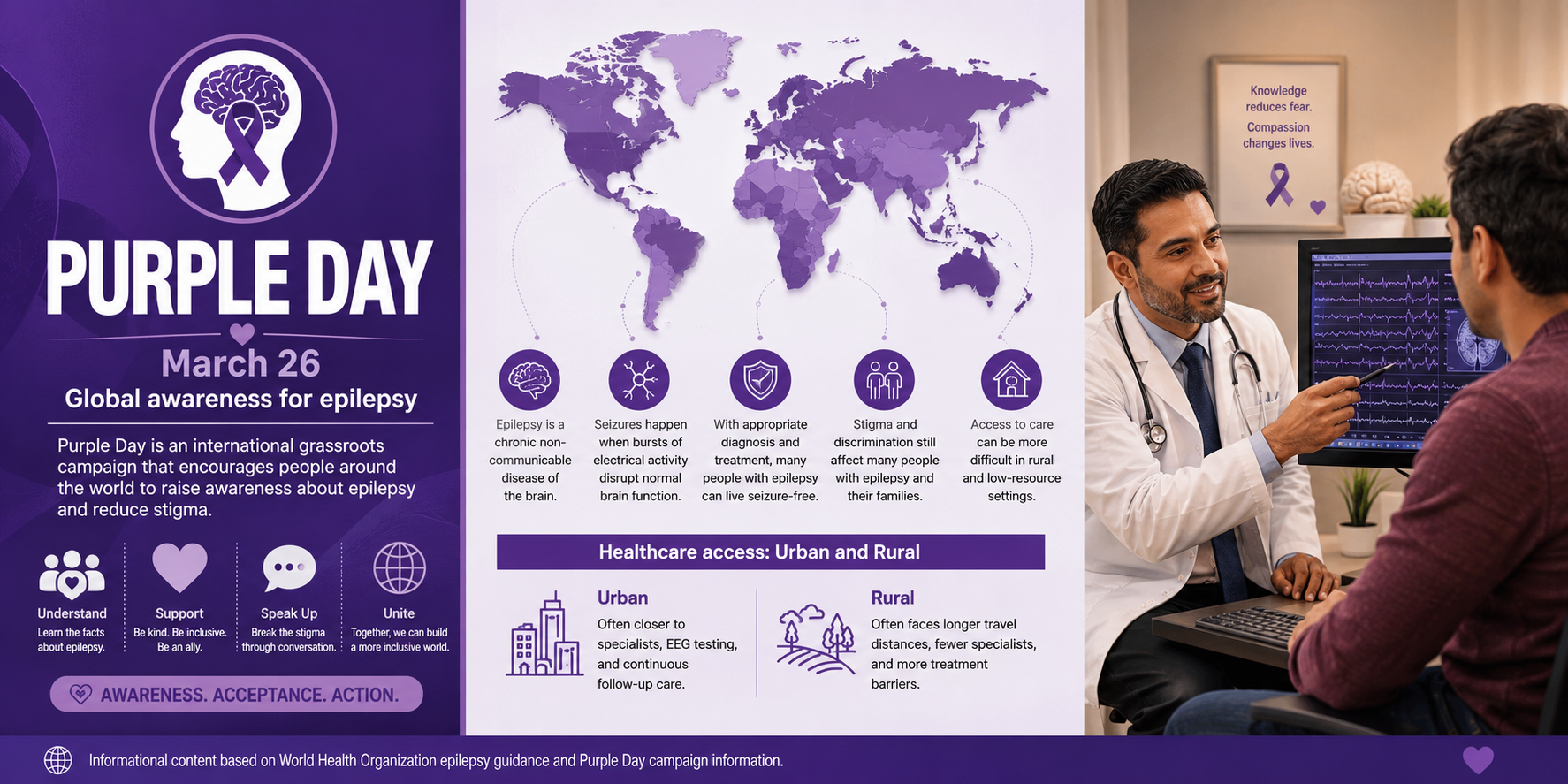
THE ACCESS CRISIS:
What the data reveals
A landmark study published in Epilepsia (Josephson et al., 2025) offered quantitative proof of something clinicians had long suspected: specialised, comprehensive epilepsy care does not drain healthcare budgets — it rescues them. Tracking over 300 patients at the University of Calgary's comprehensive epilepsy program for three years before and after admission to a Level 4 seizure monitoring unit, researchers found that per-person healthcare costs had been climbing at an average rate of roughly CAD $341 per six-month period leading up to admission.
| Metric | Before SMU | After SMU | Change |
|---|---|---|---|
| Healthcare cost trajectory | +CAD$341 / 6mo | −CAD$802 / 6mo | REVERSED |
| Emergency department visits | Baseline | −26% | −26% |
| Inpatient admissions | Baseline | −25% | −25% |
| Outpatient physician visits | Baseline | −18% | −18% |
| Post-surgery cost trajectory | Baseline | −50% / 6mo | HALVED |
Yet access to such centres remains profoundly unequal. Research has documented significant disparities in the nationwide distribution of these facilities, with rural communities, lower-income populations, and minority groups consistently underserved. In Australia, the equity gap runs even deeper: Aboriginal and Torres Strait Islander Australians carry twice the epilepsy burden of non-Indigenous Australians, yet routinely encounter the most fragmented care pathways — shaped by geography, cultural barriers, and chronic underfunding.
"Comprehensive epilepsy care not only reduces morbidity and mortality — it reduces cost."
— Rolston, J.D. · Epilepsy Currents, Vol. 25(3), 2025 · DOI: 10.1177/15357597251324024Primary care physicians sit at the centre of this problem. They are typically the first point of contact when someone presents with an unexplained collapse or a witnessed seizure. Managing epilepsy from general practice requires long, complex consultations — medication titration, coordination with neurologists whose wait times stretch many months, and navigation of financial assistance schemes patients describe as labyrinthine. Current funding structures do not reflect this complexity.
TECHNOLOGY MOVES
Policy lags behind
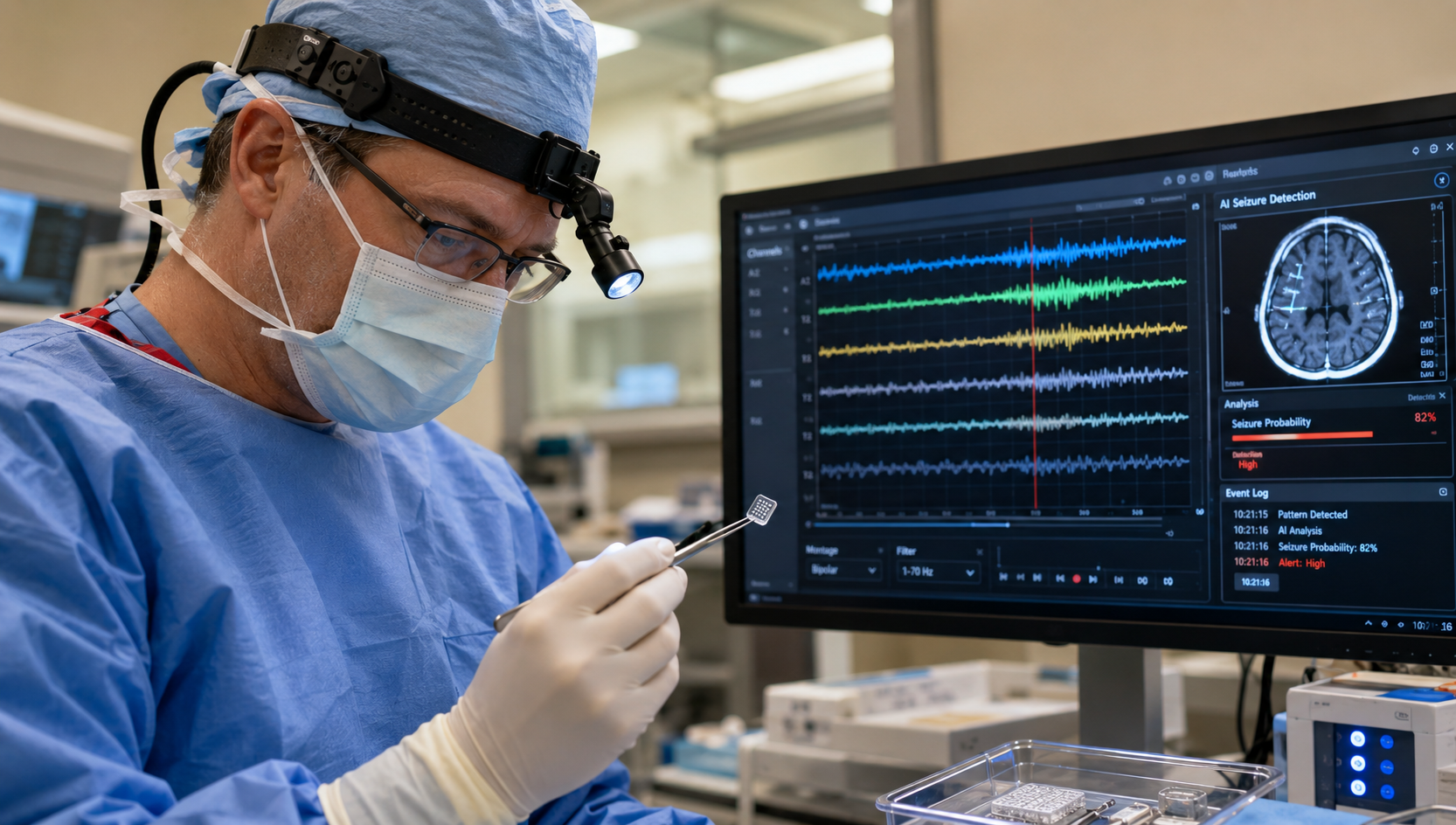
A team led by Dr Hai Sun at Rutgers Robert Wood Johnson Medical School secured a three-year, $2.8 million NIH grant to engineer next-generation responsive neurostimulation implants. The goal: address a fundamental limitation of existing devices — they reduce seizure frequency in patients with drug-resistant epilepsy, but achieve full seizure elimination in only 15 to 20 percent of recipients. The new program aims to deploy superior AI-driven seizure-prediction algorithms and stimulate broader brain regions where seizures originate.
The interdisciplinary Rutgers team draws on artificial intelligence expertise from Stevens Institute of Technology and physician-scientists from Emory School of Medicine — a collaborative structure reflecting the consensus that epilepsy treatment demands more than neurology alone. Neuropsychology, social work, advanced neuroimaging, AI, and biomedical engineering are all part of the care model that comprehensive epilepsy centres are best positioned to deliver. The team's five-year timeline to market is a realistic near-term prospect.
In Australia, the Senate Committee on Epilepsy has received RACGP recommendations including a 40% Medicare rebate increase for long consultations, greater investment in rural patient transport, and dedicated funding for culturally safe care. The committee reports September 2026. Internationally, a 2023 study in Epilepsia (Yardi et al.) demonstrated that telehealth consultations measurably reduced inequities in access for underserved patients — a program that advocates argue must be funded as core infrastructure, not pandemic-era emergency measures.
The data is clear. Investing in GP capacity, routing patients to comprehensive centres sooner rather than after years of escalating crisis care, and deploying next-generation neurostimulation technology — all of these reduce system-wide costs while improving lives. The evidence exists. The technologies are advancing. What remains is the political will to restructure funding around what actually works.
Rolston, J.D. (2025). "Comprehensive Epilepsy Care: The Key to Cutting Costs and Seizing Better Outcomes." Epilepsy Currents, 25(3), 164–166. DOI: 10.1177/15357597251324024
SAGE Publications / American Epilepsy Society. Open access CC BY-NC 4.0. Harvard Medical School, Mass General Brigham.
Josephson, C.B. et al. (2025). "Level 4 Seizure Monitoring Unit Admissions are Associated With Reduced Long-term Health Care Costs." Epilepsia, 66(1), 148–159. DOI: 10.1111/epi.18165
Retrospective open cohort study, Alberta Canada, 2010–2018, n=315. University of Calgary Comprehensive Epilepsy Program.
Royal Australian College of General Practitioners. (2026). Submission to the Senate Committee Inquiry into Epilepsy in Australia. 11 recommendations including rebates, transport, Indigenous care, research funding.
Parliamentary inquiry reporting September 10, 2026. Official RACGP submission document.
Sun, H. et al. (2025). NIH-funded program: next-generation responsive neurostimulation devices for drug-resistant epilepsy. Rutgers Health / RWJ Medical School, Stevens Institute of Technology, Emory School of Medicine. $2.8M over 3 years.
Reported: BINJE | New Jersey Business News, September 2025. National Institutes of Health.
Yardi, R. et al. (2023) Epilepsia 64(12), 3238–3245 · Schiltz, N.K. et al. (2013) Epilepsy Research 107(1–2), 172–180 · Louis, S. et al. (2021) Epilepsy & Behavior 125, 108409 · AIHW Epilepsy Prevalence Data · ILAE Fundraising Frameworks

Written by
MedBary Team
Comments
Log in to join the conversation.
Loading comments…