

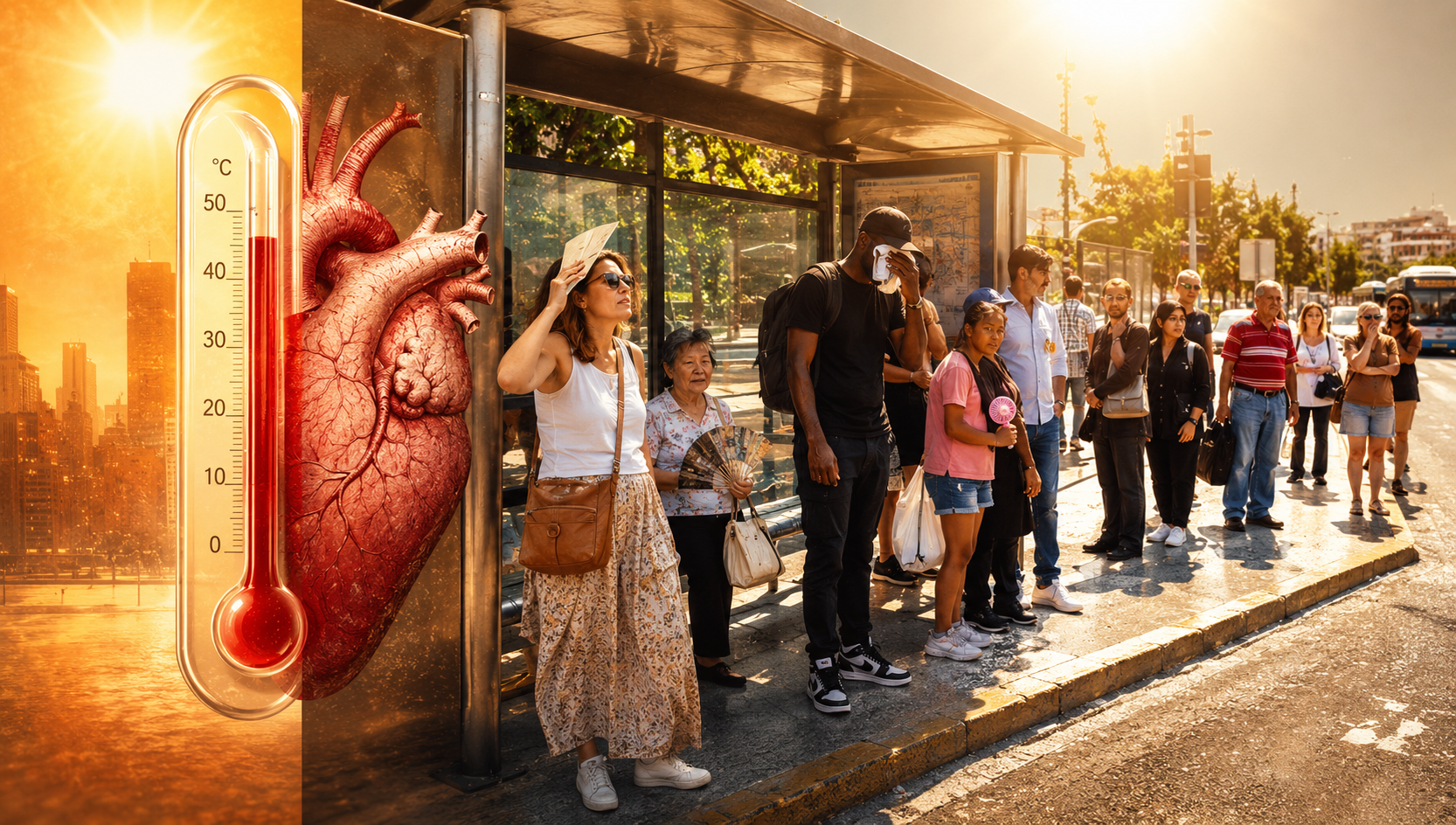
Heat and Heart: Climate's Cardiovascular Toll
The heart works harder in the heat. For millions with underlying conditions, that extra work is the difference between a warm afternoon and a fatal one.

As summer temperatures shatter records and heatwaves grow longer and more intense, the human heart quietly shoulders an outsized burden. Research now shows extreme heat is not merely an outdoor inconvenience — it is a direct, measurable trigger for heart attacks, arrhythmias, and cardiovascular death. With climate projections pointing toward a significant rise in heat-related cardiac mortality by mid-century, this is a public health emergency hiding in plain sight.
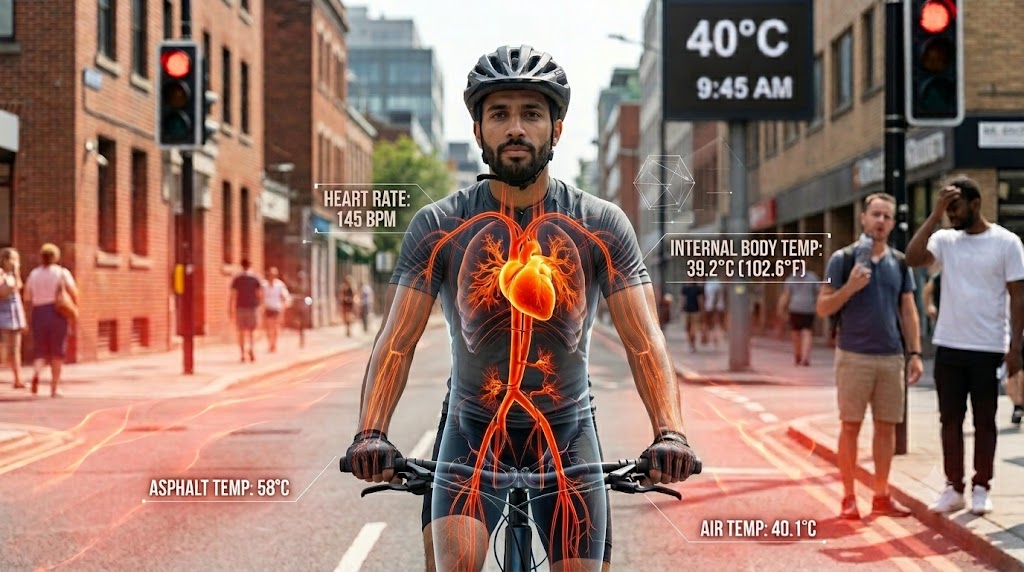
Cardiovascular disease is already the world's leading cause of death, responsible for roughly one-third of all global mortality. Now, climate change is compounding that burden with a force that researchers describe as unprecedented. The connection is not abstract: as average global temperatures climb, the frequency, duration, and intensity of heatwaves increase — and with them, the physiological strain placed on the human heart.
What makes this especially alarming is who bears the greatest risk. Older adults, people of lower socioeconomic status, Black and Hispanic communities, and those in urban environments — where heat islands amplify ambient temperatures — face dramatically higher vulnerability. The same disparities that drive cardiovascular disease prevalence are the ones that make heat deadlier. This is not simply a weather story. It is a health equity story written in rising temperatures.
When body temperature rises, the cardiovascular system mobilises. Blood is redirected toward the skin to release heat, causing blood vessels near the surface to dilate. The heart must pump harder and faster — sometimes 30 to 50% above its resting rate — just to maintain circulation while simultaneously cooling the body. For a healthy heart this is demanding. For one already weakened by disease, it can be fatal.
Sweating depletes fluid rapidly, thickening the blood. This elevated viscosity raises the likelihood of clot formation — a primary driver of heart attacks and strokes. Research published in Circulation found that across 27 countries, extreme heat was directly associated with higher mortality from ischemic heart disease, heart failure, and arrhythmia, precisely the outcomes tied to blood-thickening and clotting cascades.
Heat stress triggers systemic inflammation. Oxidative stress increases, arterial plaques destabilise, and the conditions for a myocardial infarction — even in people who hadn't previously shown symptoms — intensify. Emerging research in Circulation Research also points to heat-induced endothelial dysfunction, where the lining of blood vessels loses its ability to regulate blood flow effectively under thermal stress.
A study examining cardiovascular deaths in Kuwait — where summer temperatures routinely exceed 100°F — found that the sharpest spike in cardiac fatalities occurred between 95°F and 109°F (35°C–43°C), a temperature band that large parts of the world now regularly experience. The danger isn't limited to extreme outlier days. Even modest heat above typical seasonal norms elevates cardiac risk, particularly for those on diuretics, beta-blockers, and other cardiac medications that can impair the body's heat-response mechanisms.

NIH-funded research from the University of Pennsylvania analysed county-level data across the contiguous United States between 2008 and 2019. Over that period, more than 12 million deaths from cardiovascular disease were recorded. Researchers linked approximately 1,651 excess cardiovascular deaths each summer to extreme heat events — defined as any day where the heat index reached or exceeded 90°F. Looking ahead to 2036–2065, the projections are sobering.
| Scenario | Time Period | Projected Annual CV Deaths (Extreme Heat) | Change vs. Baseline |
|---|---|---|---|
| Baseline | 2008–2019 | ~1,651 | — |
| Moderate (limited emissions) | 2036–2065 | ~4,320 | +162% |
| Worst-case (unchecked emissions) | 2036–2065 | ~5,500+ | +233%+ |
The racial and socioeconomic dimensions of these projections are significant. Penn LDI research found that Black adults and elderly populations in low-income areas — communities with less access to air conditioning and green space, and higher baseline rates of cardiovascular disease — faced substantially greater excess mortality. Climate change, in this context, does not simply raise the average risk. It widens an already unequal distribution of harm.
For people with known heart conditions — including coronary artery disease, heart failure, or a history of arrhythmia — hot weather demands the same vigilance as icy roads. The physiological stakes are comparable. Harvard Medical School cardiologists emphasise that the warning signs of heat-related cardiac stress often overlap deceptively with ordinary discomfort, making them easy to dismiss. Fatigue during a heatwave may not be laziness. It may be the heart telling you something is wrong.
Systemic responses matter as much as individual precautions. Writing in the Medical Journal of Australia's InSight, Australian cardiologists have called for climate change to be formally recognised within cardiovascular risk frameworks — arguing that failure to factor environmental heat into patient care plans represents a significant gap in modern cardiology practice. Urban planning, green-space investment, and community cooling centres are not amenity projects. They are cardiac interventions.

This article is intended for general informational purposes and does not constitute medical advice. All statistics referenced are drawn from peer-reviewed research and established academic medical sources current as of the article's publication date. Readers with cardiovascular conditions are encouraged to consult their cardiologist or primary care physician regarding personal risk during periods of extreme heat.
Researched and written for Bloorian. Sources: NIH, Harvard Health Publishing, American Heart Association (Circulation, Circulation Research), Penn Leonard Davis Institute, InSight+ / Medical Journal of Australia.

Written by
MedBary Team
Comments
Log in to join the conversation.
Loading comments…