


Skin Deep: The Science of Lasting Radiance
Your skin is keeping score. Every habit, every hour of sleep, every meal — it's all in there.

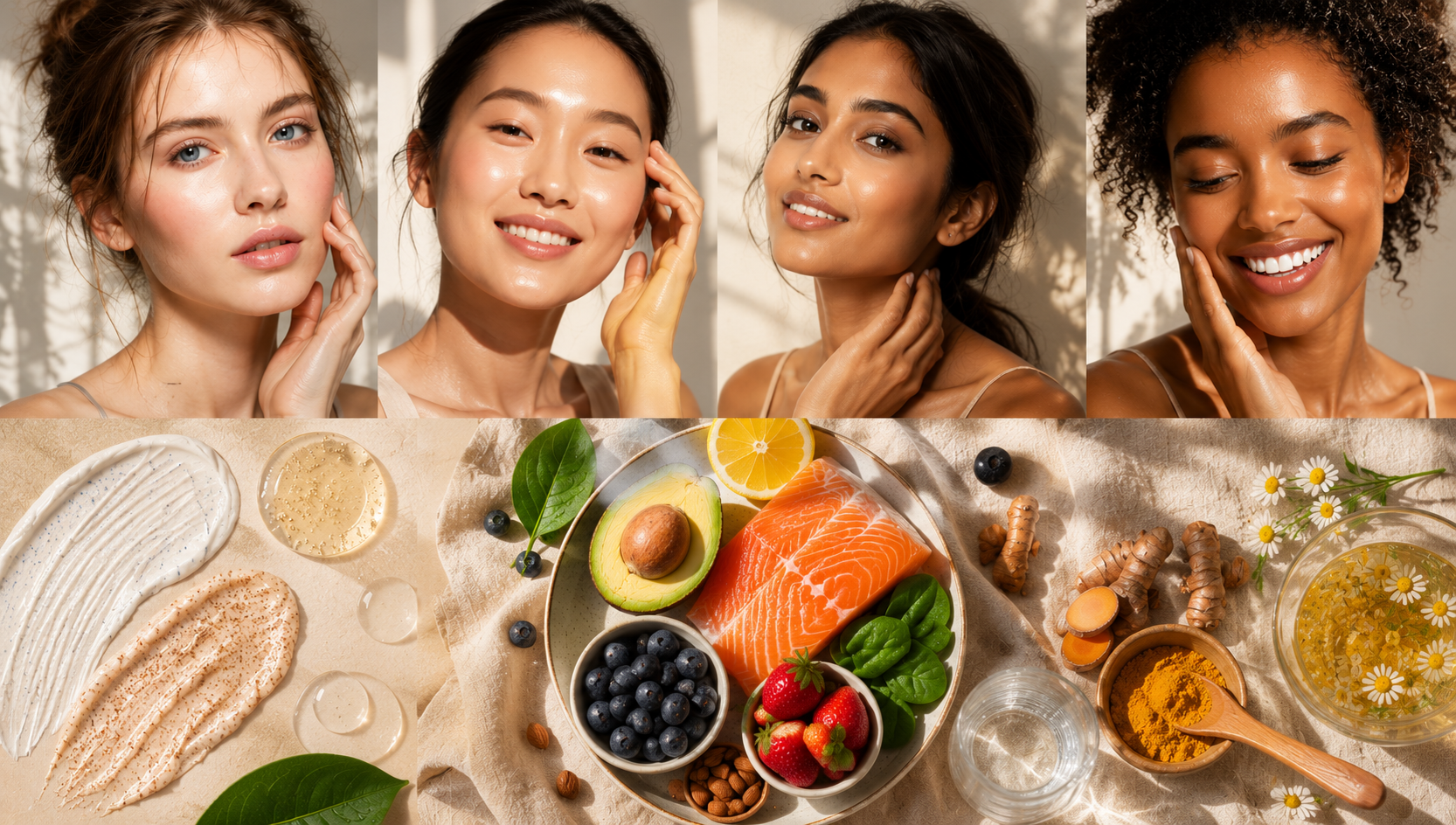
Skin health sits at a crossroads of biology, nutrition, and environment. Across a lifetime, the skin withstands ultraviolet radiation, oxidative stress, airborne pollutants, and hormonal fluctuation — yet when properly supported, it retains a remarkable capacity for self-renewal.
The implications extend far beyond appearance. Researchers at Harvard Medical School have documented that photoaging — cumulative sun damage — not only alters skin texture and tone but meaningfully elevates the risk of squamous and basal cell carcinomas. The daily habits that preserve a healthy glow are precisely the same ones that protect long-term cellular integrity. Luminosity and cancer prevention share the same upstream causes.
What dermatological science increasingly confirms: radiant skin is not primarily treated from the outside. It is built from within — through nutrition, stress management, sleep quality, and the compounding interest of consistent healthy habits.
Radiant skin is a downstream effect of what happens at the cellular level — and the cellular machinery governing it depends on a specific constellation of nutrients. Vitamins A, C, and E form the cornerstone of this architecture. Vitamin A in its retinol form accelerates cell turnover and shields skin from damaging free radicals. Vitamin C is indispensable for collagen synthesis, the scaffolding protein that keeps skin firm and elastic. Vitamin E, acting synergistically with C, neutralizes lipid peroxidation in the skin's outermost layers — the mechanism by which UV exposure and pollution degrade barrier quality.
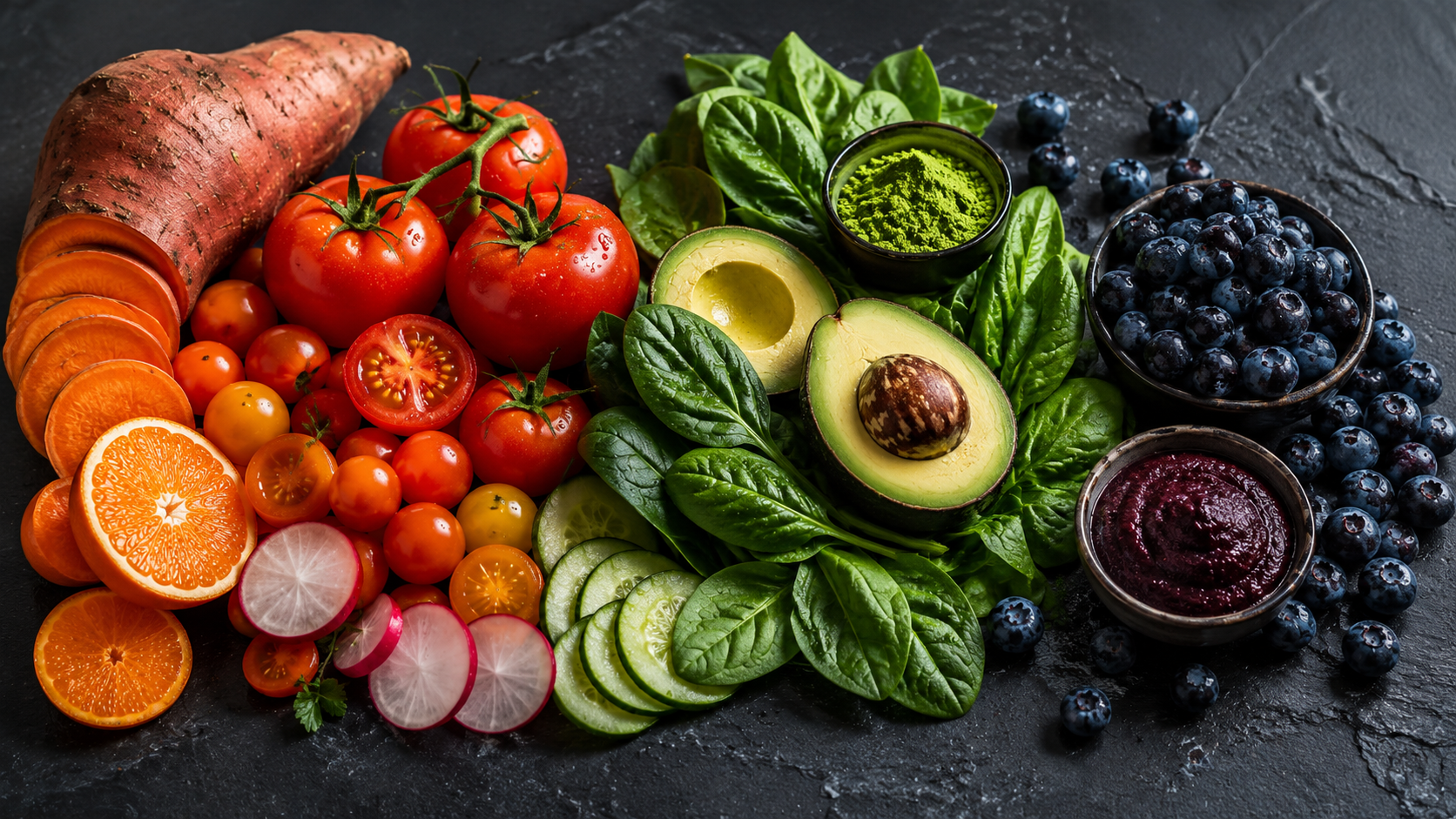
According to Harvard Health Publishing, a plant-forward diet provides the broadest portfolio of skin-supportive vitamins — with sweet potatoes, leafy greens, citrus, and sunflower seeds being particularly nutrient-dense. Because vitamin A is fat-soluble and the body stores what it does not immediately use, daily intake from orange and dark-green vegetables establishes a sustained biological reservoir rather than a temporary spike.
Chronic low-grade inflammation is among the most underappreciated drivers of accelerated skin aging. Omega-3 fatty acids — found in fatty fish, flaxseeds, and walnuts — directly modulate inflammatory cascades in skin tissue, reducing the conditions that lead to redness, uneven pigmentation, and barrier breakdown. Clinical evidence shows omega-3 supplementation can measurably reduce photoaging-related inflammation when paired with consistent sun-protective behaviors.
Polyphenols — the pigment compounds in berries, green tea, dark chocolate, and pomegranate — deliver a second tier of antioxidant protection. They work partly by scavenging reactive oxygen species triggered by UV exposure and partly by upregulating the body's own antioxidant enzymes. Consistent polyphenol intake correlates with measurably improved skin texture and hydration over time, placing whole-food plant eating at the center of any evidence-based skin health strategy.
Few topics in skin science generate as much marketing noise as collagen. A 2024 placebo-controlled clinical trial published in Clinical, Cosmetic and Investigational Dermatology provides one of the most rigorous evaluations to date. Participants receiving a collagen-enriched supplement showed statistically significant improvements in skin hydration, elasticity, and surface roughness after just 12 weeks — with no adverse effects reported. The research team noted that collagen is readily absorbed and demonstrably safe, making it a practical addition to a skin health protocol when paired with the right cofactors.
The critical nuance: dietary protein supports collagen synthesis just as effectively for many people. Foods rich in glycine, proline, and hydroxyproline — bone broth, legumes, eggs, leafy greens — supply the raw amino acid materials the body uses to manufacture its own collagen. Supplemental peptides accelerate the process by delivering pre-cleaved building blocks, but adequate vitamin C remains non-negotiable: without it, the enzyme prolyl hydroxylase cannot properly cross-link collagen fibers, and the structural benefit collapses.
Zinc, copper, and magnesium occupy a quieter but structurally critical role in skin physiology. Zinc governs the life cycle of skin cells and has documented efficacy in reducing inflammatory acne. Copper is a cofactor for lysyl oxidase — the enzyme responsible for cross-linking collagen and elastin — meaning copper deficiency directly degrades the skin's structural scaffold. Magnesium supports barrier function by regulating keratinocyte proliferation and modulating cortisol signaling: chronically elevated cortisol degrades skin quality in measurable, well-documented ways.
Research published through the British Academy (Perrett, 2021) adds a compelling social dimension to skin health science. Skin coloration — specifically the warm yellow-red hues associated with high fruit and vegetable consumption and carotenoid deposition — significantly influences how healthy and vital observers judge a face to be. The glow that follows a carotenoid-rich diet is not merely biochemically meaningful; it is perceptually meaningful. The body's nutritional state is quite literally written on the face.
Emerging photonics technology is beginning to quantify skin health in new ways. Research from the University of Auckland highlights tools capable of detecting early skin-cell anomalies through light interaction — a development that may enable non-invasive skin health monitoring as a standard of preventive care. This reflects a broader directional shift: from treating skin conditions reactively to understanding skin as a continuous metabolic readout of whole-body health.
No nutritional strategy outpaces chronic sleep deprivation or unmanaged psychological stress when it comes to skin deterioration. During deep sleep, growth hormone surges and skin cells enter accelerated repair cycles — the concrete biological mechanism behind what is commonly called "beauty sleep."
Elevated cortisol — the primary stress hormone — degrades collagen cross-links, increases sebum production, triggers inflammatory pathways associated with acne and rosacea, and thins the epidermal barrier over time. Even the most sophisticated topical routine cannot compensate for sustained high-cortisol states. Sleep hygiene, regular physical movement, and stress regulation are structural requirements of any evidence-based skin health plan — not optional lifestyle extras.

Trehan A., Anand R., Chaudhary G., Garg H., & Verma M.K. (2024). Efficacy and Safety of Skin Radiance Collagen on Skin and Hair Matrix: A Placebo-Controlled Clinical Trial. Clinical, Cosmetic and Investigational Dermatology, 17, 581–591. PMC10942009. DOI: 10.2147/CCID.S438642
Perrett, D. (2021). Face Value — skin coloration and health perception. British Academy Review, 21(2). The British Academy. thebritishacademy.ac.uk/documents/668/BAR21-02-Perrett.pdf
Marshall, M. (2022, September). Skin and Hair — vitamins, foods, and skin conditions. Harvard Health Publishing, Harvard Medical School. health.harvard.edu/topics/skin-and-hair
University of Auckland UniServices. (2024). Shining a Light on Skin Cancer: How Luminoma Is Turning Photonics Into Life-Saving Technology. uniservices.co.nz/news/shining-a-light-on-skin-cancer-how-luminoma-is-turning-photonics-into-life-saving-technology
This article is produced for informational purposes only and does not constitute medical advice, diagnosis, or treatment. The nutritional and clinical findings cited are drawn from peer-reviewed literature and reputable academic institutions. Individual skin health outcomes vary based on genetics, existing conditions, environmental exposures, and overall lifestyle. Readers are encouraged to consult a qualified dermatologist or registered dietitian before beginning any supplement regimen or making significant dietary changes.

Written by
MedBary Team
Comments
Log in to join the conversation.
Loading comments…